Renault has quietly become one of Europe’s most important electric car makers. From the pioneering Zoe to the stylish new Renault 5 E-Tech and the family-friendly Scenic and Megane E-Tech, the brand offers some of the most accessible electric vehicles on the road. And for a growing number of drivers, the smartest way into one of these cars is not to buy it — it is to lease it. This guide explains how Renault electric car leasing works, what to look for when comparing offers, and how to make sure the deal you sign is genuinely the best one available.
(Suggested image #1 here: a Renault electric car, such as the Renault 5 E-Tech or Megane E-Tech, parked on a city street. Alt text: “Renault electric car parked on a modern city street.” Use a licensed/royalty-free photo.)
Why Leasing an Electric Car Makes Sense
Electric vehicles are a slightly different proposition from petrol or diesel cars, and that difference is exactly why leasing has become so popular with EV drivers.
The technology is moving fast. Battery range, charging speed, and software features improve noticeably every couple of years. When you lease, you hand the car back at the end of the term and step into a newer model — so you are never stuck owning yesterday’s technology.
Leasing also removes a major worry: depreciation. Nobody can say with certainty what a used electric car will be worth in four or five years, because the market is still young. When you lease, the leasing company carries that risk, not you. You simply pay for the period you drive the car.
On top of that, monthly lease payments are usually lower than loan repayments on the same vehicle, because you are only paying for the portion of the car’s value you use during the lease, plus interest — not the whole car. For many households, that brings a brand-new electric Renault within reach of a sensible monthly budget.
How Electric Car Leasing Actually Works
A car lease is essentially a long-term rental with a fixed end date. You agree to drive the car for a set period — commonly two, three, or four years — and you pay a monthly amount for the privilege. At the end, you return the car.
Three numbers drive every lease payment, and understanding them lets you see through the marketing:
The vehicle’s starting value is what the car is worth when new. The residual value is what the leasing company predicts it will be worth at the end of the term. The gap between those two — the depreciation — is the bulk of what you actually pay for, spread across the months. On top of that sits a finance charge, sometimes called the “money factor,” which is the lease equivalent of an interest rate.
This is why two cars with similar prices can have very different lease costs. A model that holds its value well has a high residual, a smaller depreciation gap, and therefore a lower monthly payment. When you compare Renault electric lease offers, a low monthly figure often reflects a strong residual value as much as a discount.
Renault’s Electric Lineup at a Glance
Renault offers electric cars across several segments, so part of comparing lease deals is matching the right model to your needs.
The Renault 5 E-Tech revives an iconic name as a compact, characterful city and commuter car. It is aimed at drivers who want something fun, efficient, and easy to live with in town.
The Megane E-Tech Electric is a sleek family hatchback that blends practicality with modern styling and a comfortable range for everyday driving and longer trips.
The Scenic E-Tech Electric steps up to a roomier crossover body, built for families who need space for passengers and luggage without giving up electric efficiency.
The Zoe, Renault’s long-running electric supermini, defined affordable EV motoring for years and still appears on the used and ex-lease market, often at attractive monthly rates.
Each of these suits a different buyer, and the “best” lease offer is meaningless unless it is on the car that actually fits your life. A cheap deal on a city car is no bargain if you need to carry a family every weekend.
What to Compare in a Lease Offer
The headline monthly price is the figure that grabs attention, but it tells you almost nothing on its own. To compare offers honestly, you have to line up several factors side by side.
The initial payment is the deposit you put down at the start, usually expressed as a multiple of the monthly figure. A lower advertised monthly payment is often propped up by a larger initial payment, so always look at the total you pay across the whole contract, not just the monthly number.
The contract length matters because spreading payments over a longer term lowers each month but increases the total. Match the term to how long you actually want the car.
The annual mileage limit is one of the most overlooked traps. Lease deals are priced around a fixed mileage allowance. Drive more than agreed and you pay an excess-mileage charge for every additional mile. Be honest about how far you really drive; choosing too low a limit to win a cheaper monthly price can backfire expensively at the end.
What is included varies between offers. Some bundle maintenance, servicing, or even a home charger or charging credit; others do not. A slightly higher monthly payment that includes servicing can be better value than a bare-bones cheaper one.
Personal versus business contracts carry different tax treatments and pricing. Make sure you are comparing like with like.
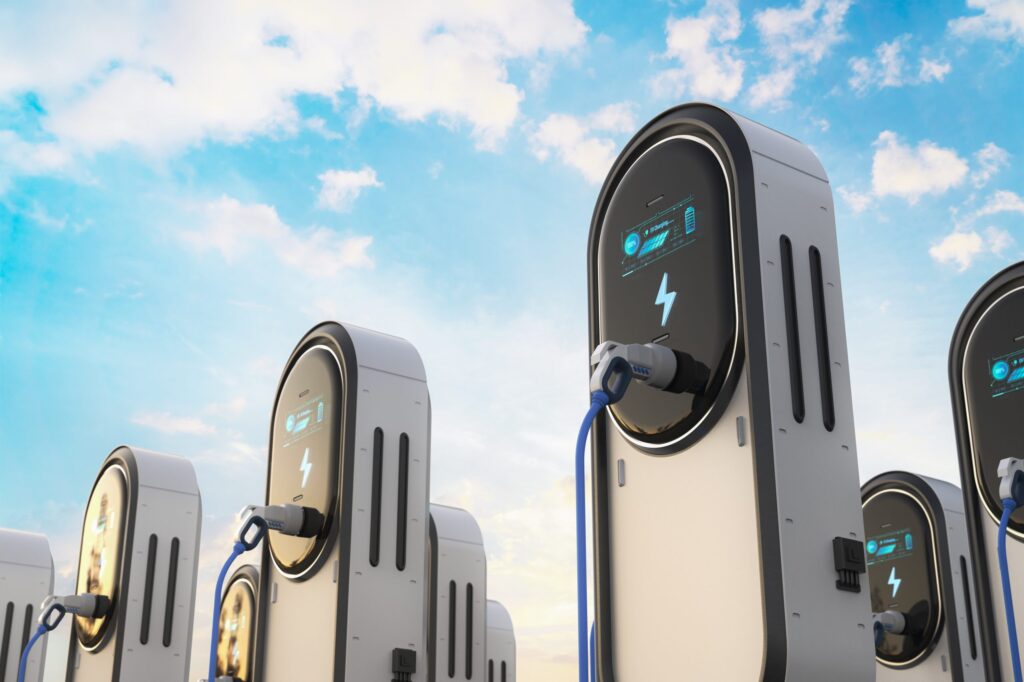
(Suggested image #2 here: an electric car plugged into a home or public charging point. Alt text: “Renault electric car charging at a charging station.” Use a licensed/royalty-free photo.)

Battery and Charging: What Lease Drivers Should Know
One genuine advantage of leasing an EV is peace of mind about the battery. Battery health and warranty coverage are the leasing company’s concern, not yours, since you return the car well within the battery’s expected lifespan. You drive the most reliable years of the car’s life and never deal with the long-term questions about battery degradation that worry some used-EV buyers.
That said, charging still shapes your daily experience, so think it through before signing. If you can charge at home, an electric Renault becomes dramatically cheaper and more convenient to run, because home electricity — especially on an off-peak overnight tariff — costs far less per mile than public rapid charging. If you rely entirely on public chargers, factor that higher running cost into your budget alongside the lease payment.
Consider also the real-world range you need. Manufacturer range figures are measured under ideal conditions; cold weather, motorway speeds, and heavy use all reduce range. Choose a model whose realistic range comfortably covers your typical journeys, with margin to spare.
The True Cost of Leasing an Electric Renault
A lease payment is only part of the picture. To judge whether a deal is good value, add up the whole cost of running the car.
Start with the initial payment plus all the monthly payments across the term — that is the core lease cost. Then add insurance, which varies widely depending on the model and your circumstances. Add your charging costs, which depend heavily on whether you charge at home or in public. Factor in any servicing not already included in the lease. And remember the excess-mileage and end-of-contract charges that can apply if you exceed your allowance or return the car with damage beyond normal wear.
When you total all of this, you can compare lease offers meaningfully — and you may find that the deal with the lowest monthly payment is not the cheapest once everything is counted.
How to Find and Compare the Best Offers
The leasing market is competitive, which works in your favour if you shop around. Manufacturer-backed offers through Renault’s own finance arm sometimes carry attractive promotional rates, particularly during seasonal campaigns or when a model is being refreshed. Independent leasing brokers, meanwhile, aggregate deals from many providers and can sometimes undercut the headline manufacturer price.
The key is to gather several quotes on the same car, the same term, and the same mileage allowance, then compare the total cost rather than the monthly figure alone. Differences that look small per month add up over three or four years.
Be wary of any quote that seems far cheaper than the rest. Check whether it carries an unusually large initial payment, a very low mileage limit, or a longer term that simply spreads the cost. A genuine bargain stands up to scrutiny; a misleading one falls apart the moment you read the full terms.
A Step-by-Step Plan
- Decide which Renault model fits your life — city car, family hatchback, or crossover — based on space and range, not just price.
- Estimate your real annual mileage honestly, and choose a mileage allowance with a little headroom.
- Set your budget including insurance, charging, and any servicing, not just the lease payment.
- Gather several quotes from Renault’s own finance offers and from reputable leasing brokers, all on the same car, term, and mileage.
- Compare total cost, not monthly cost — initial payment plus every monthly payment, plus what is and isn’t included.
- Read the full terms, paying special attention to excess-mileage charges and end-of-contract damage rules.
- Confirm the delivery timeline, since popular electric models can have waiting periods.
Tips That Genuinely Save Money
Time your search around promotional periods. Leasing offers often improve at the end of financial quarters and during new-registration periods, when providers are keen to move stock.
Be realistic about mileage rather than optimistic. It is almost always cheaper to pay for a slightly higher allowance up front than to be hit with excess charges at the end.
Look at maintenance-inclusive packages. For an EV, servicing is generally lighter than for a petrol car, but a bundled package can still add convenience and predictable budgeting.
Keep the car in good condition. Lease agreements define “fair wear and tear,” and returning a car with damage beyond that standard leads to charges. Treating the car well throughout the term protects you at the end.
Common Mistakes to Avoid
Choosing a deal purely on the monthly figure, without checking the initial payment or term, is the most frequent error and the one that costs the most.
Underestimating mileage to win a cheaper headline price leads to painful excess charges later. Be honest from the start.
Ignoring charging logistics — leasing an EV when you have no practical way to charge it conveniently — turns a good car into a daily frustration and a higher running cost.
Forgetting end-of-contract obligations, such as the condition the car must be returned in, can produce unexpected bills. Read those clauses before, not after, you sign.
Frequently Asked Questions
Is it better to lease or buy an electric car? Leasing suits drivers who want a new car every few years, predictable monthly costs, and no exposure to uncertain used-EV values. Buying suits those who keep cars long term and want to own an asset outright. Neither is universally better.
Do I have to worry about the battery degrading on a lease? Generally no. You return the car well within its expected battery life, and battery warranty and long-term degradation are the leasing company’s concern, not yours.
What happens if I exceed my mileage limit? You pay an excess-mileage charge for each additional mile, set out in your contract. This is why choosing a realistic allowance matters.
Can I lease an electric Renault for business? Yes. Business contract hire is widely available and often carries different pricing and tax treatment from personal leasing, so compare the right type for your situation.
Does the lease include a home charger? Sometimes. Certain offers bundle a charger or charging credit, while others do not. Always check exactly what is included before comparing prices.
(Suggested image #3 here: a family or couple sitting comfortably inside a modern electric Renault interior. Alt text: “Modern interior of a Renault electric car with a driver and passenger.” Use a licensed/royalty-free photo.)
The Bottom Line
A Renault electric car can be an outstanding way to go electric without the upfront cost or long-term uncertainty of buying — but only if you compare offers the right way. Look past the headline monthly payment to the total cost across the whole contract. Match the model and mileage allowance to your real life. Factor in charging and insurance. And read the full terms before you sign.
Do that, and you will not just find a cheap-looking deal — you will find the genuinely best one for the way you actually drive.