Buying a Honda is one of the smarter decisions you can make in today’s car market. Hondas hold their value, last for years, and rarely surprise you with expensive repairs. But the price on the window sticker is only half the story. How you finance that Honda can cost — or save — you thousands of dollars over the life of the loan. This guide walks you through everything you need to know to find the best Honda dealership financing deals, qualify for the lowest rates, and avoid the traps that quietly inflate what you pay.
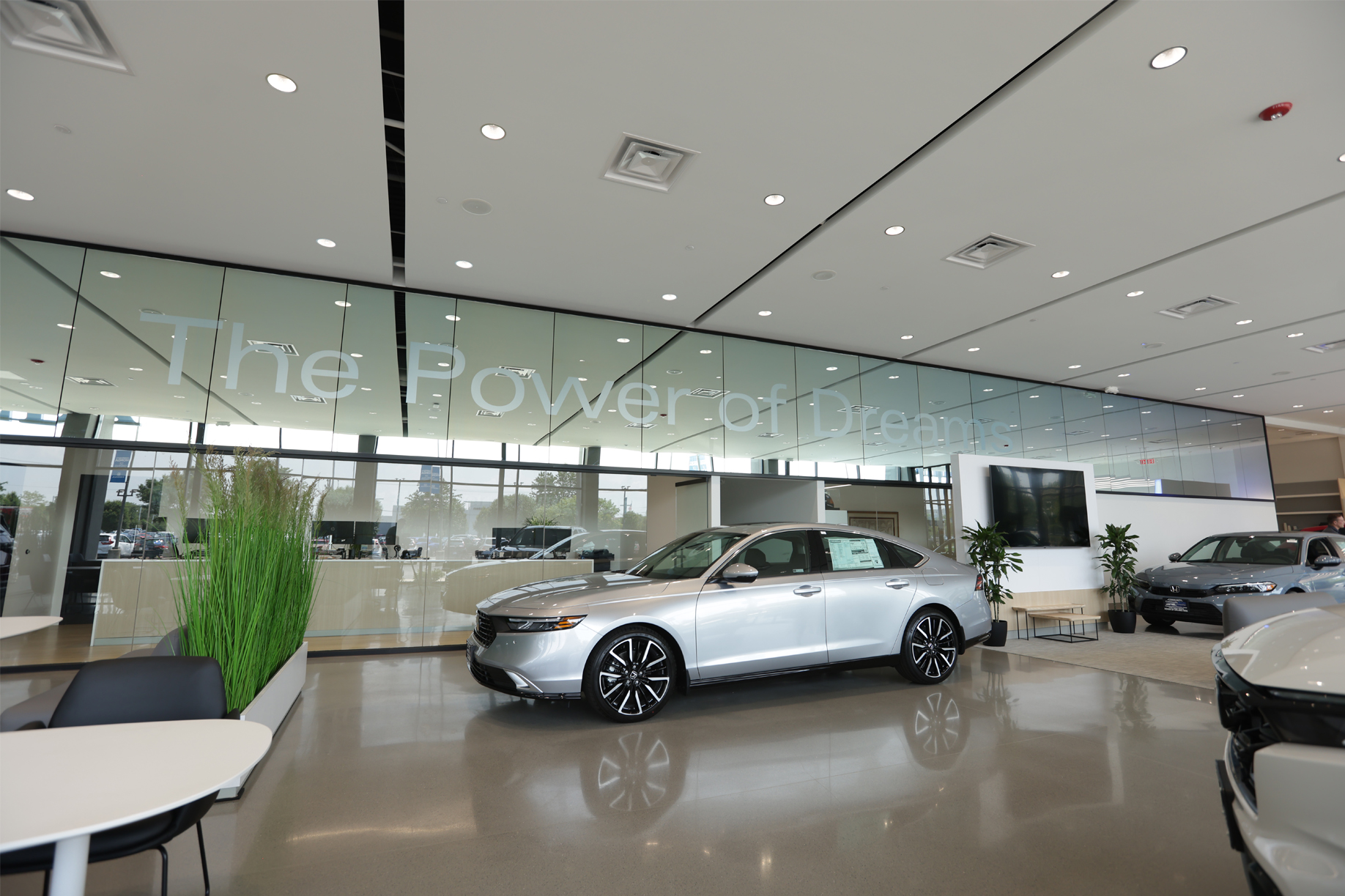
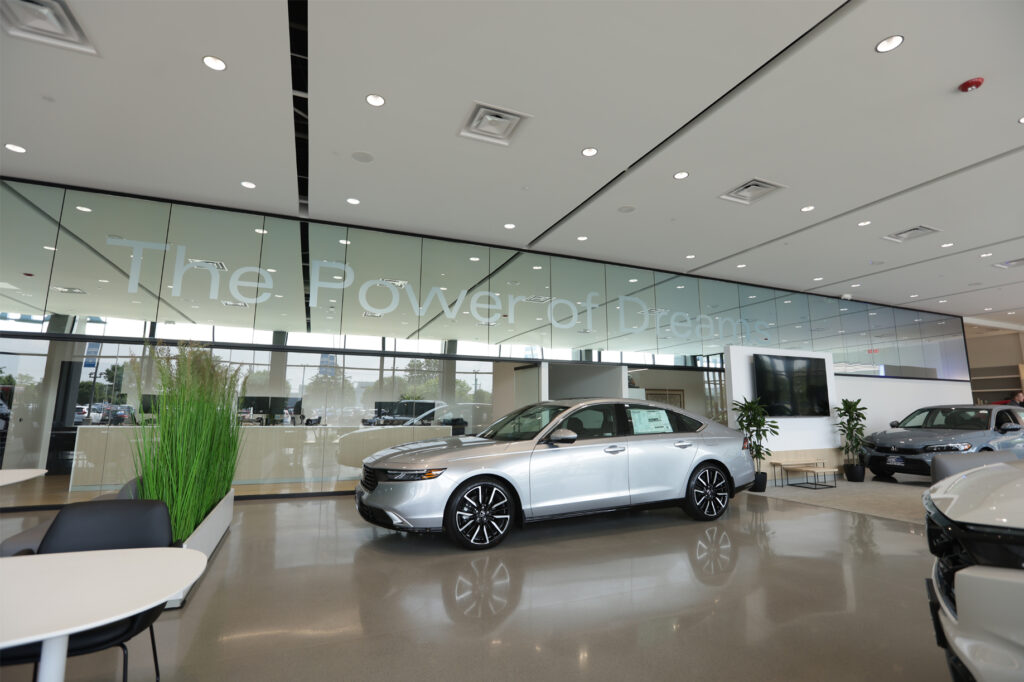
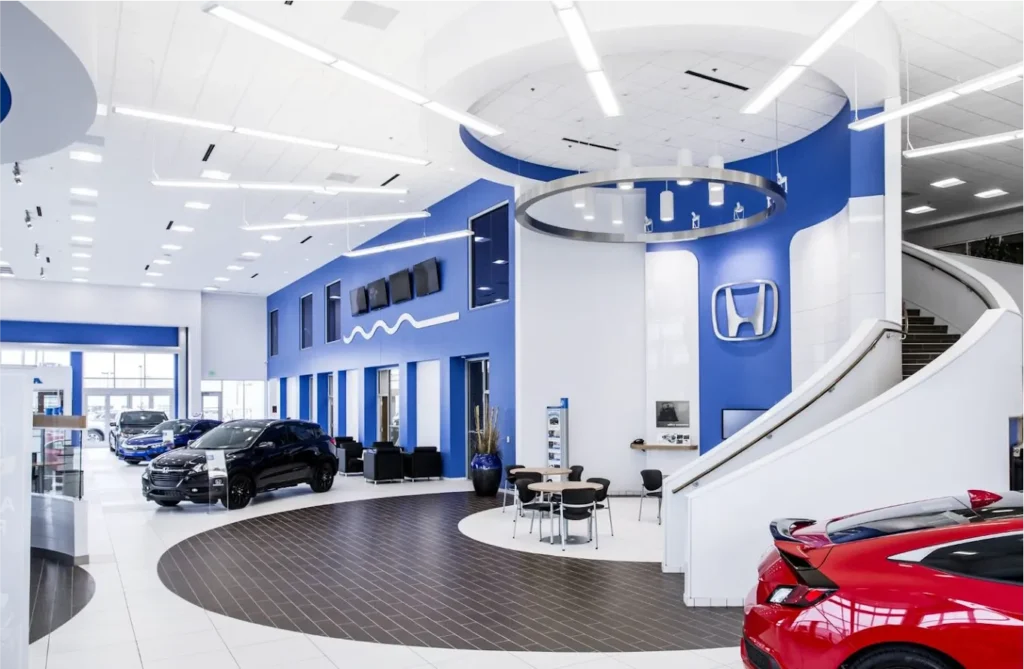
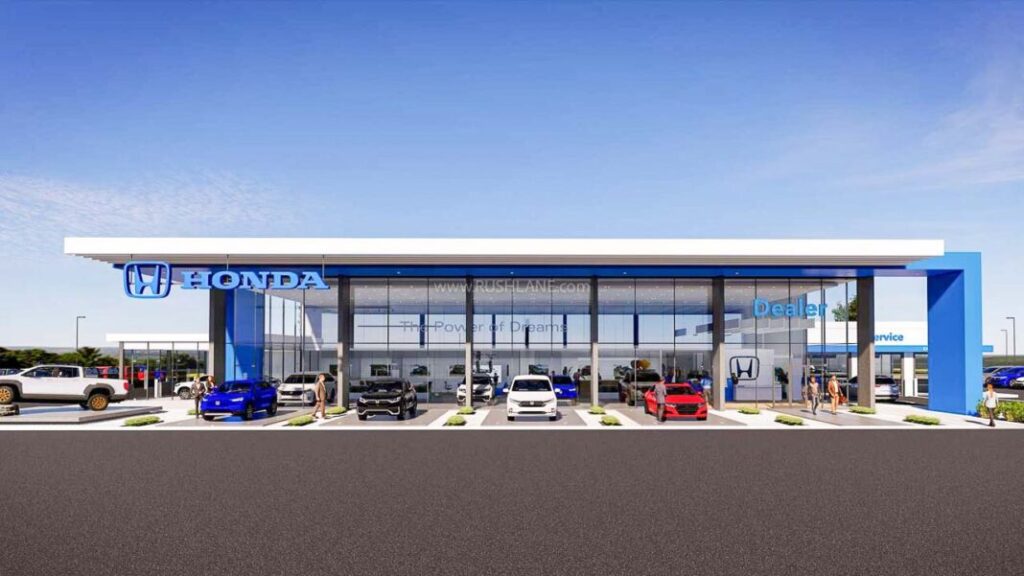
(Suggested image #1 here: a Honda dealership showroom with new vehicles. Alt text: “New Honda vehicles displayed inside a dealership showroom.” Use a licensed/royalty-free photo.)
How Dealership Financing Actually Works
When you finance a car through a Honda dealership, you are usually not borrowing from the dealer directly. The dealership acts as a middleman. It submits your credit application to several lenders — including Honda Financial Services (the manufacturer’s own lending arm), banks, and credit unions — and those lenders send back offers. The dealer then presents you with a rate.
Here is the part most buyers never learn: the rate the dealer offers you is often slightly higher than the rate the lender actually approved. The difference, called the “dealer markup” or “reserve,” is profit for the dealership. This is completely legal and extremely common. It also means the financing rate is frequently negotiable, even when the salesperson implies it is fixed.
Understanding this single fact changes how you should approach the entire conversation. You are not just buying a car; you are negotiating a loan, and the loan has more flexibility than most people assume.
The Three Ways to Pay: Finance, Lease, or Cash
Before chasing a specific deal, it helps to know which path fits your situation.
Financing (taking out a loan to buy) means you own the car at the end of the term. Your monthly payment is higher than a lease, but every payment builds equity, and once the loan is paid off you have a valuable asset and no payment at all. This is the best long-term value for most people who keep their cars for several years.
Leasing means you pay for the use of the car over a set period — typically two to three years — and then return it. Monthly payments are lower, and you always drive a newer vehicle, but you never build ownership, you face mileage limits, and you can be charged for wear and tear. Leasing makes sense for people who want a new car every few years and drive modest miles.
Paying cash avoids interest entirely and gives you maximum negotiating power on price. The downside is the large upfront outlay and the opportunity cost of tying up your savings. Interestingly, when manufacturers offer very low promotional financing — sometimes near zero percent — financing can actually beat cash, because the money you keep invested may earn more than the loan costs you.
There is no universally “right” choice. The right choice depends on how long you keep cars, how many miles you drive, and your financial priorities.
Understanding APR and Credit Tiers
The most important number in any car loan is the APR — the annual percentage rate. It bundles the interest rate and certain fees into one figure that represents the true yearly cost of borrowing. A lower APR means you pay less for the privilege of borrowing.
Your APR is determined almost entirely by your credit score, which lenders sort into tiers. The exact cutoffs vary by lender, but the pattern is consistent: borrowers with excellent credit are offered the lowest rates and the special promotional deals, while borrowers with fair or poor credit are quoted significantly higher rates. The gap between tiers is not small. Over a five- or six-year loan, the difference between a top-tier and a bottom-tier rate can amount to thousands of dollars in extra interest on the very same car.
This is why your credit score deserves attention before you walk into the dealership, not after. Even a modest improvement in your score can bump you into a better tier and unlock a noticeably lower rate.
(Suggested image #2 here: a person reviewing a loan document or using a calculator. Alt text: “Buyer reviewing car loan terms and calculating monthly payments.” Use a licensed/royalty-free photo.)
Types of Honda Financing Deals to Watch For
Honda and its dealerships run several kinds of promotions, and knowing the difference helps you spot real value.
Special low-APR financing is offered through Honda Financial Services, often on specific models or during seasonal sales events. These rates can be dramatically lower than standard market rates, but they are usually reserved for buyers with strong credit and may require a shorter loan term. Always read whether the low rate applies to the term length you actually want.
Cashback or customer bonus offers give you a lump-sum discount off the purchase price instead of a lower rate. Sometimes you must choose between low APR or cashback — you cannot stack both. The math matters here: on an expensive vehicle, low APR usually wins; on a cheaper one, cashback may come out ahead. Run both scenarios before deciding.
Lease specials advertise a low monthly payment, but the headline figure often assumes a large down payment and a specific mileage cap. The real cost of a lease is hidden in the money factor (the lease equivalent of an interest rate), the residual value, and the fees — not just the monthly number on the billboard.
Loyalty and conquest offers reward existing Honda owners or buyers switching from a competing brand. If you qualify, these can add meaningful savings, so it is always worth asking.
How to Qualify for the Best Deals
The buyers who land the lowest rates are almost never the ones who happened to walk in on a lucky day. They prepared. Here is what actually moves the needle.
Start by checking your credit report well in advance. Errors on credit reports are surprisingly common, and a single incorrect late payment can cost you a better tier. Dispute anything inaccurate and give it time to update.
Pay down revolving debt where you can. Your credit utilization — how much of your available credit you are using — has an outsized effect on your score. Bringing balances down before you apply can produce a quick improvement.
Avoid opening new credit accounts in the months before buying. Each new application can dent your score temporarily, exactly when you need it at its strongest.
Save for a larger down payment. A bigger down payment reduces the amount you borrow, lowers your monthly payment, and signals lower risk to the lender — sometimes earning a better rate as well.
Consider a co-signer only if necessary and only with someone who understands the responsibility. A co-signer with strong credit can help a borrower with limited history qualify, but the co-signer is fully on the hook if payments are missed.
Get Pre-Approved Before You Visit the Dealer
This is the single most powerful move available to an ordinary buyer, and most people skip it.
Before stepping onto the lot, apply for financing through your own bank or, even better, a credit union. Credit unions are member-owned and frequently offer lower auto loan rates than banks or dealerships. When you arrive with a pre-approval letter in hand, you have a concrete rate to compare against whatever the dealer offers.
This does two things. First, it gives you a fallback — if the dealer cannot beat your pre-approved rate, you simply use your own financing. Second, it flips the negotiation. Instead of the dealer telling you what your rate “has to be,” you are inviting them to compete for your loan. Dealers can and do beat outside offers, because they still profit even at a lower markup. But they will only do so if they know you have an alternative.
Pre-approval also lets you shop as a cash buyer in the dealer’s eyes, which keeps the price negotiation separate from the financing negotiation — and keeping those two conversations separate is one of the best things you can do for your wallet.
A Step-by-Step Plan to Get the Best Honda Financing
- Check and clean up your credit a month or two ahead. Dispute errors, lower your balances, and avoid new applications.
- Set a realistic budget based on the total cost of ownership — not just the monthly payment, but insurance, fuel, maintenance, and registration.
- Get pre-approved through a credit union or bank so you have a benchmark rate.
- Research current Honda offers on the model you want, including any special APR, cashback, or lease specials running that month.
- Negotiate the vehicle price first, before any talk of financing or trade-in. Agree on the out-the-door price.
- Then discuss financing, and let the dealer try to beat your pre-approval. Compare APRs over the same loan term, not just monthly payments.
- Read every line of the contract. Confirm the APR, term, total amount financed, and that no surprise add-ons have appeared.
- Walk away if the numbers don’t work. There is always another car and another month of deals.
Negotiation Tips That Genuinely Work
The most effective negotiating tool is the willingness to leave. A buyer who is emotionally committed to driving home in a specific car today will pay more than one who is calm and prepared to wait.
Always negotiate the total price, never the monthly payment. Dealers can hit almost any monthly payment you name simply by stretching the loan term — and a longer term means more total interest, even at the same rate. By anchoring on the out-the-door price, you keep control.
Be polite but unbothered by pressure tactics. Phrases like “this price is only good today” are sales scripts, not facts. Genuine deals tend to still be there tomorrow.
Watch the finance office carefully. After you agree on a car, you are handed to the finance manager, where extended warranties, gap insurance, paint protection, and other add-ons appear. Some of these have value; many are heavily marked up. You are allowed to decline every one of them, and you can often buy the worthwhile ones elsewhere for less.
Common Mistakes That Cost Buyers Thousands
Focusing only on the monthly payment is the classic trap. A comfortable monthly number can hide a punishingly long term and a high total cost.
Rolling negative equity from an old loan into a new one is another quiet wealth-killer. If you owe more on your trade-in than it is worth, folding that balance into the new loan means you start the new car already underwater.
Skipping the pre-approval step leaves you negotiating financing blind, with no benchmark and no leverage.
Accepting the first rate offered, without asking whether it can be lowered, often means paying the dealer markup in full when it was negotiable all along.
Stretching the loan to six, seven, or even eight years to afford a more expensive car keeps you in debt far longer and increases the risk of owing more than the car is worth for most of the term.
Frequently Asked Questions
Is dealer financing or a credit union better? It depends on the offer in front of you. Credit unions frequently have lower standard rates, but dealers sometimes have special manufacturer promotions that beat anything else. Get both and compare on the same term.
Can I negotiate the interest rate at a dealership? Often yes. The quoted rate may include a markup over what the lender actually approved, so there can be room to come down — especially if you have a competing pre-approval.
Should I put more money down? A larger down payment lowers your loan amount, your monthly payment, and your total interest, and it reduces the risk of going underwater. As long as you keep an emergency fund intact, more down is usually better.
Does checking my own credit hurt my score? No. Checking your own report is a “soft” inquiry and does not affect your score. Only lender applications create “hard” inquiries.
Is zero-percent financing always the best deal? Not necessarily. Sometimes you must give up a cashback rebate to get it. Compare the total cost of the low-APR deal against the price-with-rebate deal before choosing.
(Suggested image #3 here: a happy customer receiving keys to a new car. Alt text: “Customer receiving the keys to a newly financed Honda.” Use a licensed/royalty-free photo.)
The Bottom Line
The best Honda financing deal is rarely the one advertised on the billboard. It is the one you build for yourself through preparation: a clean credit report, a pre-approval in your pocket, a clear budget, and the discipline to negotiate price and financing as two separate conversations. Do that, and you put yourself in the same position as the savviest buyers on the lot — informed, unhurried, and impossible to pressure.
A Honda is built to last for years. With the right financing strategy, the money you save buying it can last just as long.